Hiring guide · Home theater
How to hire a home theater installer
From a media room with a projector to a dedicated theater with acoustic treatment: what to expect, who else is involved, and what to ask.
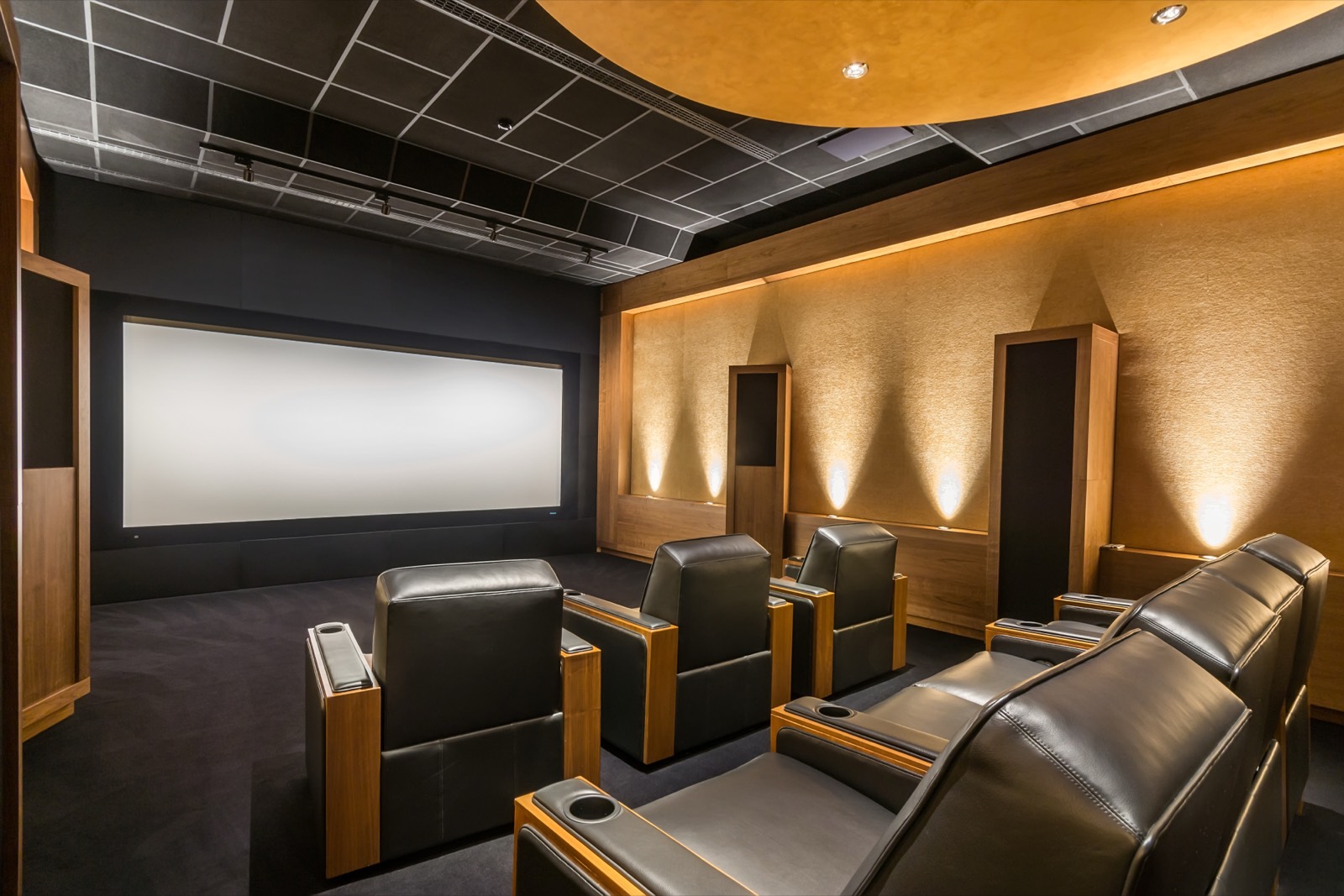
What home theater installers do
- Design: screen size and seating distance, speaker layout, and how light and sound behave in your room.
- Projectors, screens and large TVs.
- Surround sound, from 5.1 systems to immersive layouts with height speakers.
- Acoustic treatment and soundproofing, so the room sounds good and the rest of the house stays quiet.
- Lighting control and seating, often tied to one remote or keypad.
- Equipment racks, ventilation and wiring.
Who else is involved
A dedicated theater is often part construction project. Expect:
- An electrician for new circuits, dedicated lines for equipment, and lighting.
- A general contractor or carpenter if the job includes risers, new walls, soundproofing or a new door.
- Permits for electrical and construction work, depending on your city.
Ask the installer who hires and coordinates these trades, and whether one contract covers the whole job.
How licensing usually works
There's no single “home theater license” in most states. Low-voltage wiring is licensed in some states; electrical and construction work is licensed almost everywhere. We show the license details we found in public records with the date we checked. Confirm what applies in your state before you hire.
Questions to ask
- Will you design the room before quoting, and is the design included?
- Who handles electrical and construction work, and are they licensed?
- What screen size and seating layout do you recommend for this room, and why?
- How will you deal with light, sound leaking out, and equipment heat?
- Can I upgrade pieces later, or is everything tied to one brand?
- Who owns the system's programming, and can another installer service it later?
- What's the warranty, and what happens when something stops working?
Red flags
- A quote with no room design or speaker layout for a dedicated theater.
- No plan for the electrical and construction work.
- Programming that only this installer can ever change.
Common questions
What's the difference between a media room and a dedicated theater?
A media room is a shared space with a big TV or projector and good sound. A dedicated theater is a room built for watching: light control, acoustic treatment, a larger screen and often tiered seating.
Who else will work on a home theater?
Often an electrician for new circuits and lighting, and a general contractor or carpenter if walls, risers or soundproofing are built. Ask the installer who coordinates them.
Do home theater installers need a license?
It depends on your state and the work. Low-voltage wiring is licensed in some states, and new circuits, lighting and construction are electrical or building work that usually needs licensed trades and permits.
Last reviewed . License rules change and differ by state; confirm details with your state's licensing board and your local building department.